

Good morning everyone! Next week I think I skip an edition as I will be traveling to Asia on a one person retail trip again!
I do promise I send out a newsletter as soon as I have nice pictures or videos during traveling, which I am sure I will find (already prepared a bit). So stay tuned! Nice inspirational videos and pictures will follow.
🇳🇱 Coolblue Yearbook 2025: sustained customer love
Every year, Coolblue, one of my favorite companies (because they are very much customer focused and a bit contrarian), publishes their yearbook. And it’s always very nice to browse through.
Coolblue describes 2025 as “een jaar voor in de boeken” (a year for the books), highlighting a record revenue of €2.563 billion (up 4.2% from the previous year), their highest-ever NPS (customer satisfaction score), strong growth especially in Germany, new store openings, and tons of operational improvements.
Check out all details at the link below. Unlike previous years there is no PDF anymore, but fo rall of us customer oriented marketers, its very nice to read:
https://aboutcoolblue.com/en/yearbook/the-coolblue-story/
🇳🇱 Three friends with no hospitality experience wildly successful with snack bar: ‘Because of ChatGPT’
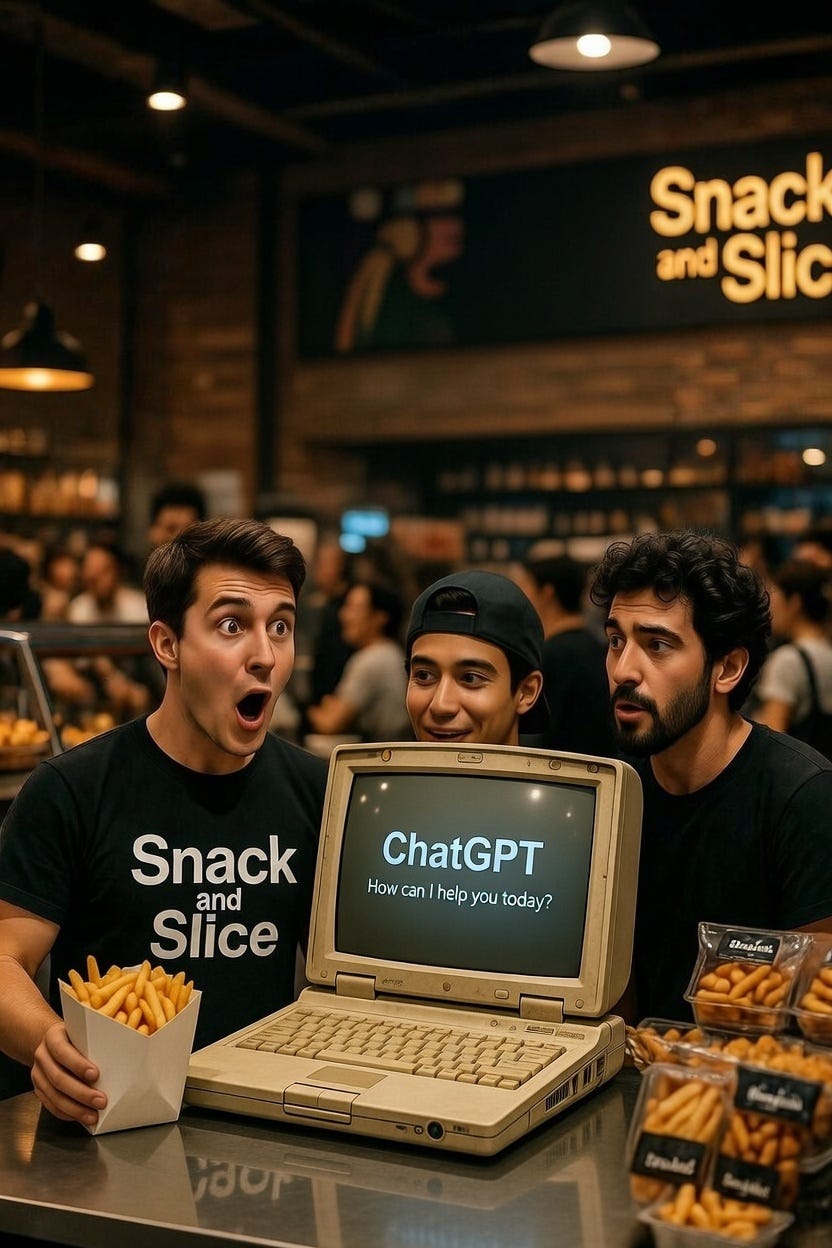
I found this in a local Dutch newspaper:
Three friends that do not have any experience in hospitality, start a business with ChatGPT as a coach.
And they did so succesfully!
I think the usage of these kind of “digital advices” will only increase.
So what to do?
Get these new operators into your business orbit early: funnel via public agents like ChatGPT/Claude, or (smarter) build a specialised vertical one like in this case for “Horeca/Hospitality”.
Extra bonus it will increase the start of new businesses and that’s good for everyone.
A few citations, roughly translated from the article:
Running a snack bar without ever having worked in the hospitality industry? Don Bound (36) and two good childhood friends took up the challenge. But not on their own: “We asked ChatGPT almost everything.” And it works: “The turnover is increasing every day.”
Two weeks ago, their snack bar Snack and Slice opened. “The name was also coined by ChatGPT: a combination between pizza and snacks. It was already a hit with one prompt,” says Don, who studied communication.
ChatGPT turned out not to be infallible: “As a result, we had ordered containers for the fries that did not fit in the bags. But that was actually the only thing.”
Don emphasizes that ChatGPT is mainly supportive. “We come up with the creative ideas ourselves.” Although: “He gives good openings though.” In this way, he takes people on their hospitality adventure from the opening. Via the socials – TikTok, Instagram – everyone can follow live how they grow in the profession.
Original article (paywalled):
https://www.gelderlander.nl/koken-en-eten/drie-vrienden-zonder-horeca-ervaring-razend-succesvol-met-snackbar-door-chatgpt~aa5785d5
You can unpaywall and translate via “archive.is”
🇳🇱 Congratulations “Clonable” with 1 million euro funding
And we stay in the Netherlands, with a “Congratulations” to Clonable.
Niels, gefeliciteerd!
All the way back in edition 18, I wrote about “Clonable”, when I first met them and I still remember their enthusiasm and growht mindset.
Basically clonable is making impressive steps as a innovative SaaS platform that simplifies and accelerates online internationalization for webshops and websites. By allowing businesses to quickly “clone” their online presence into new languages and markets, often in just one day, the tool removes major barriers to cross-border e-commerce growth.
Check out the details in edition 18:

The next steps for Clonable:
In 2026, Clonable will take further steps outside the Benelux, with a focus on the DACH region and Scandinavia. The international expansion focuses on visibility through events, attracting international customers, and expanding the network of affiliates and resellers.
“Europe is a fragmented market with many languages, cultures, and rules. That is precisely why there is a need for a European platform that structurally simplifies internationalisation,” says Teun Onstenk of the Bossche Investeringsfonds.
It’s exciting to see a homegrown Dutch startup like this scale so effectively and help more retailers go international with ease. I can fully recommend this company!
Details via the friends from cross-border-magazine:
https://cross-border-magazine.com/clonable-raises-e1-million/
🧪 Pomelli (annoying name but great tool) launches photostudio for rapid fast product pictures
Google Labs has ‘Pomelli’, it’s been around for a bit now, and if you’re outside the US (or the few supported countries like Canada/Aus/NZ), you’ll probably need a VPN to access it. But, it’s good and super useful if you’re into product promotion.
I played around with it today, and their ‘Photoshoot’ feature (inside Pomelli) is seriously very nice!! You just upload one product photo, even a crappy, low-res one and in a few minutes it spits out a bunch of high-quality lifestyle shots, studio versions, in-use scenes, etc. No need for a real photographer or fancy setup.
I tested it with a not-so-great pic of an outdoor beer table setup, and the results came out looking very good, clean lighting, nice compositions, totally campaign ready, I would say.
Check out the video where I imported that rough outdoor table image and see what it generates.
I would say this is very useful especially for smaller organisation, because within minutes you have great assets. Great for ads, social posts, discoverability, performance marketing etc.
It saves a ton of time and money on visuals and it will pay off in your discoverability.
Try it yourself (but switch on a VPN switched to the US):
https://labs.google.com/u/0/pomelli/about
🇫🇷 Customer Matching 3.5 million euro fine in France

Important to know for everyone thinking about (or doing) “customer matching” in advertising in Europe. An -officially unknown- company got a fine from 3.5 million euro (Hi Intersport) for using customer matching at Meta without consent.
The core issue was transferring personal data email addresses and/or phone numbers from over 10.5 million loyalty program members (”La Team”) to a social network (widely understood to be Meta/Facebook) for targeted advertising purposes, starting around 2018 and continuing for years.
So if you are active in the EU, be aware of this and if you want to use customer matching do ask for consent.
Having said that, I think, with new targeting techniques the tech giants have introduced (f.e. AndroMeda), customer matching is less and less relevant, so do use and optimize for the new targeting algorithmes and focuse less on customer matching in Europe.
Details:
https://cnil.fr/en/transfer-data-social-network-advertising-purposes-cnil-imposed-fine-eu35-million
🇧🇹 Bhutan happy but not with crypto payments
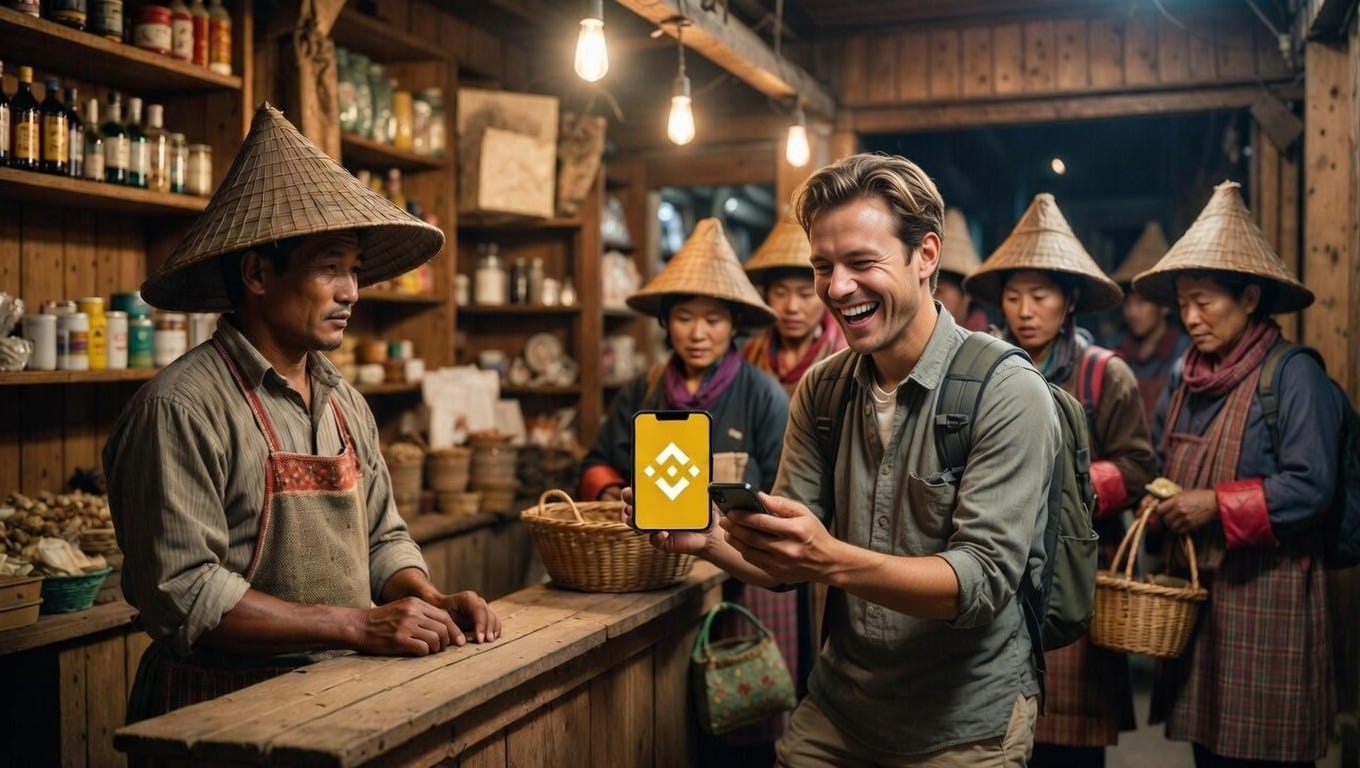
I’m intrigued by Bhutan, I have never been (it’s on the list), but what’s fascinating is they’re the only country officially prioritizing Gross National Happiness (GNH) over GDP as the real measure of progress.
They’ve got real policies in place to help citizens actually become happier: mindfulness and meditation baked into schools, values woven through education, free healthcare, cultural preservation, all aimed at holistic well-being, not just economic growth. I read a lot about it in the past.
But apparently, they’re not so happy with crypto payments (yet). Their big tourism crypto push, Binance Pay rolled out nationwide, has basically flopped. Merchants signed up, QR codes everywhere, but almost zero real use from tourists. Power outages, low literacy, spotty internet, and visitors just sticking to cash/cards get in the way.
It shows how “modern” tech innovations can crash into realities like infrastructure gaps or digital readiness, even in a society that’s laser-focused on happiness.
Details: https://restofworld.org/2026/bhutan-bitcoin-tourism-payment-adoption-failure/
🇨🇳 China: watch your takout being prepared by a machine in centralised kitchens via live streaming
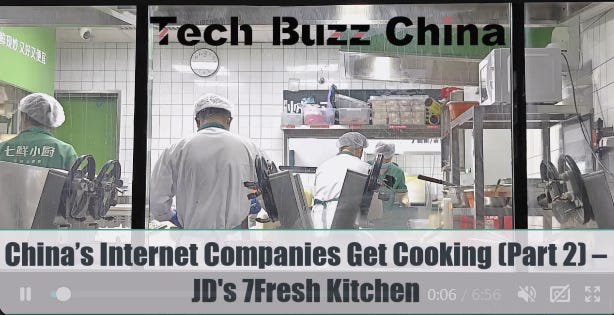
TechBuzz China has an in depth article on China’s dark - or nowadays more open-kitchens.
A few months after launching its food delivery service, JD decided to change strategy (after Alibaba began investing heavily) and move up the food delivery supply chain. It opened its own kitchens, which are partially operated by cooking machines, robots, if you like. All kitchens also livestream their operations, which has become somewhat standard, as there is widespread distrust of food safety in China and ‘dark kitchens’ have a very bad reputation.
Data show that among businesses that implement kitchen livestreaming, repeat purchase rates are 15-20% higher than the platform average, and average order value is 10-15% higher than that of similar businesses. More notably, research shows that approximately two-thirds of customers, at the same price, will prioritise businesses offering livestreaming kitchen services.
7Fresh Kitchen said it aims to be not only a trustworthy, affordable takeout store but also a community pickup canteen that can withstand the test of time in offline traffic. It aims to solve two problems:
Help consumers solve the food safety problems caused by ‘dark kitchens’ and make them delicious, cheap, clean and hygienic through supply chain innovation, so that low-quality restaurants are completely eliminated from the market.
Help merchants who stick to the quality of their restaurants make money, and work with them to sell their signature dishes across the country to obtain sustained good returns.
The first store’s average daily orders exceeded 1,000 within a week of launch, and its three-day repurchase rate was 220% higher than the industry average.
Tech Buzz China goes deep into the businessmodel. Interesting for everyone in hospitality, restaurants and catering.
📹 YouTube introduces ABS (no not the anti lock braking system), but attributed branded searches.
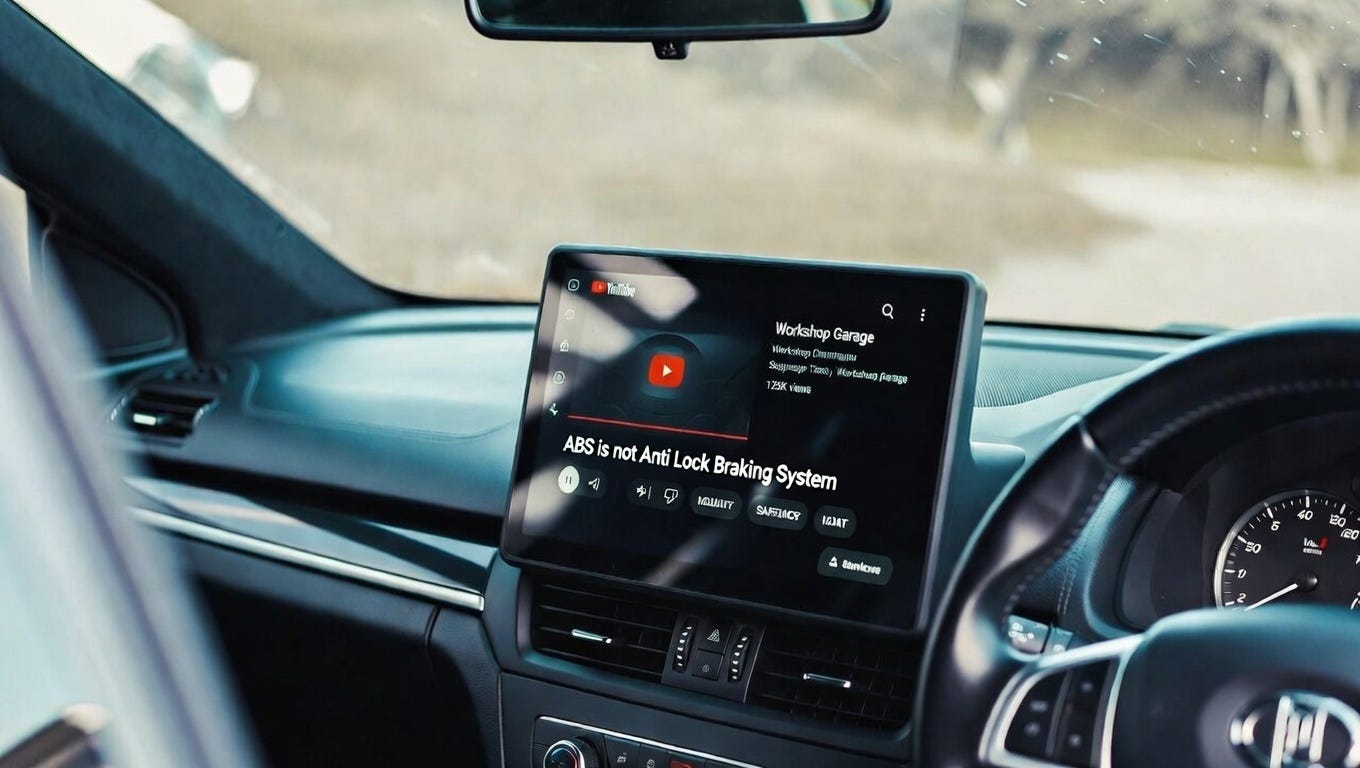
OK, I admit, I hate YouTube for its ads, but I also like it because of its ads.
Now YouTube has a new feature that I think can help brands a lot, and also in some cases it reduces the need for paid brand recall research. This feature also helps to steer the discussion on “performance branding”.
Google is introducing Attributed Branded Searches (ABS). A new metric that tracks branded Google searches from users who previously saw your YouTube ads (within a 7-day window).
In simple terms:
📺 Someone watches your YouTube ad
🔎 Later they Google your brand
📊 That search is now measurable as campaign impact
It also resonates with what I say already for a long time, The consumer journey isn’t linear anymore. People stream → scroll → search → shop in chaotic loops. Don’t stay stuck in the traditional funnel(s).
If you do not have the feature yet, ask your Google Account manager, I understood it is not yet rolled out fully.
Details via Bia: https://www.linkedin.com/posts/bia-camargo_how-do-we-prove-youtube-actually-drives-search-activity-7429770163849183232-rHVw/
That’s it for this edition. Next one will be from Asia! Thank you for reading liking and subscribing!
Slowly I am considering new opportunities (also international):
Contact me via LinkedIN → https://www.linkedin.com/m/in/alexbaar/
Checkout my archive of previous newsletters if you want to read more :